
Sales Geofencing Malaysia to Prevent Fake Check-ins
Geofencing for sales teams Malaysia is no longer an optional enhancement to attendance systems. It has become a structural safeguard in an environment where mobile execution defines revenue outcomes and managers rarely share physical space with their field teams.
Across industries, organisations still relying on manual WhatsApp updates or basic GPS check-ins are beginning to recognise the limitations. Location spoofing tools are widely accessible. Screenshots can be staged. Coordinates can be manipulated. When that happens, the consequences do not appear immediately—but they compound over time. Incentive payouts become misaligned, territory coverage reports lose credibility, and forecasting accuracy weakens.
The deeper issue is not isolated misconduct. It is compromised data integrity.
Globally, businesses are responding. The geofencing market reached USD 2.50 billion in 2024 and is projected to grow at a 20.9% CAGR through 2031, with Asia-Pacific leading adoption. Active geofencing systems—those triggered by real-time presence validation—now account for over 57% of total market share, driven largely by retail and logistics sectors managing distributed workforces.
Malaysian sales organisations are increasingly applying the same approach—not merely to monitor attendance, but to protect revenue visibility, reinforce accountability, and restore trust in field data.
Why Fake Check-ins Hurt Malaysian Sales Teams
Fake check-ins are often dismissed as minor shortcuts. In reality, they create structural damage inside a sales organisation.
Field attendance data feeds incentive calculations, route optimisation, coverage tracking, and even promotion decisions. When a rep can clock in from home or simulate presence near a client’s outlet, managers lose their ability to assess genuine coverage and effort. Pipeline forecasts become less reliable. Incentive disputes increase. Trust erodes quietly.
In competitive Malaysian sectors such as FMCG, pharmaceuticals, and B2B distribution, outlet discipline matters. When teams fail to execute a promotion display properly or skip a key account, the impact surfaces weeks later in declining sell-out numbers. Without accurate location-verified data, leaders end up managing based on assumptions rather than evidence.
That is precisely where geofencing for sales teams Malaysia changes the equation. It replaces “reported presence” with “verified presence.”
Also read: Field Sales Software for Malaysian SMEs: Stop Guessing, Start Tracking
How Geofencing for Malaysian Sales Teams Actually Works

At its core, geofencing uses GPS and mobile network signals to create a virtual boundary around a specific location. That boundary might surround a distributor’s warehouse in Shah Alam, a retail outlet in Johor Bahru, or a corporate client office in Kuala Lumpur.
When a sales representative’s device enters the defined zone, the system allows a check-in or automatically records presence. When the device exits, it logs a check-out or calculates time spent on site. The logic is simple: no physical presence inside the approved radius, no valid check-in.
Modern GPS-based attendance system platforms allow managers to define multiple geofences simultaneously—across hundreds or even thousands of customer locations. The app then verifies device signals and sensor data before accepting an attendance record. For field sales tracking, this means a rep cannot mark a visit while sitting in a café nearby or driving past the outlet.
For companies implementing geofencing for sales teams Malaysia, this creates a subtle but powerful shift. Attendance stops being self-reported and becomes system-validated.
Also read: Stop Client-Site Fraud with Geofencing Client Solutions in Malaysia
From Attendance Tool to Strategic Sales Control

The most common misconception is that geofencing is purely about discipline. In reality, it is about data integrity.
When visit data is accurate, route planning improves. Managers can see which territories are under-covered and which accounts receive disproportionate attention. Incentive schemes become fairer because they are based on verified activity, not manual logs. Mileage claims can be reconciled against actual location trails.
In Malaysia’s fast-moving distribution landscape, even small improvements in coverage discipline can influence sell-through performance. Cleaner data leads to cleaner decisions.
That is why companies increasingly treat geofencing for sales teams Malaysia as a revenue protection layer, not merely a monitoring tool. It safeguards margins by removing ghost visits and distorted reporting from the equation.
More importantly, it rebuilds managerial confidence in field operations—an intangible gain that becomes obvious the moment unreliable check-ins stop.
Also read: Best Remote Sales Monitoring and CRM Tools in Singapore
Fake GPS and Location Spoofing: A Growing Threat to Field Teams
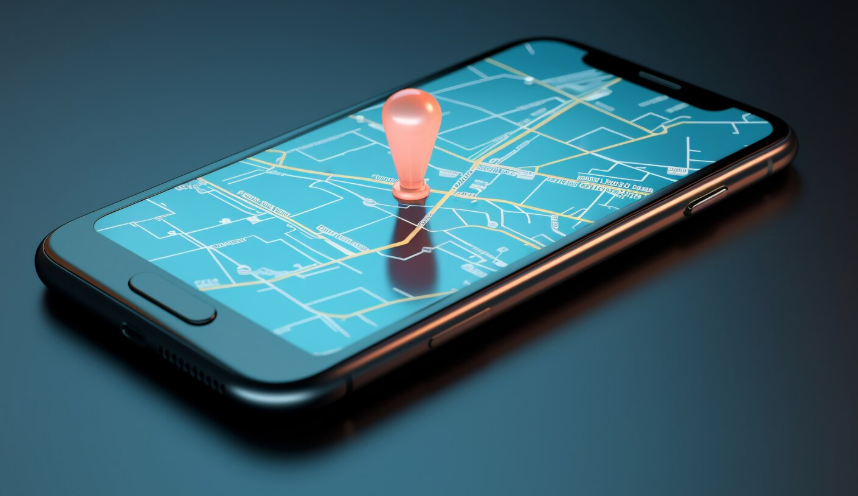
The conversation around geofencing for sales teams Malaysia cannot ignore one uncomfortable reality: GPS spoofing is no longer niche. It is mainstream.
Location spoofing has already disrupted ride-hailing, food delivery, and e-commerce platforms. Fraudsters use fake GPS apps, modified Android devices, or developer-mode tricks to convince systems they are physically present at a specific location. The result? Completed jobs that never happened, deliveries marked “successful” without arrival, and location-based incentives claimed without effort.
The same playbook applies seamlessly to attendance and visit apps used by field sales teams.
Public tutorials openly demonstrate how to bypass mock-location detection in mobile sales tools. Without robust location spoofing detection, a rep could check in at a client’s store while sitting several kilometres away—or even at home—yet still appear compliant in basic reports. On paper, the coverage looks solid. In reality, the visit never happened.
This undermines sales visit monitoring, distorts productivity metrics, and gradually erodes trust between managers and their teams. Worse, it creates performance data that looks clean but tells the wrong story.
That is why geofencing for sales teams Malaysia must go beyond simple GPS pins. It has to account for spoofing risks and ensure that presence verification is genuinely credible.
Also read: Best CRM Software in Malaysia for SMEs (2026 Guide)
Legal and Privacy Boundaries: PDPA and Employee GPS Tracking in Malaysia
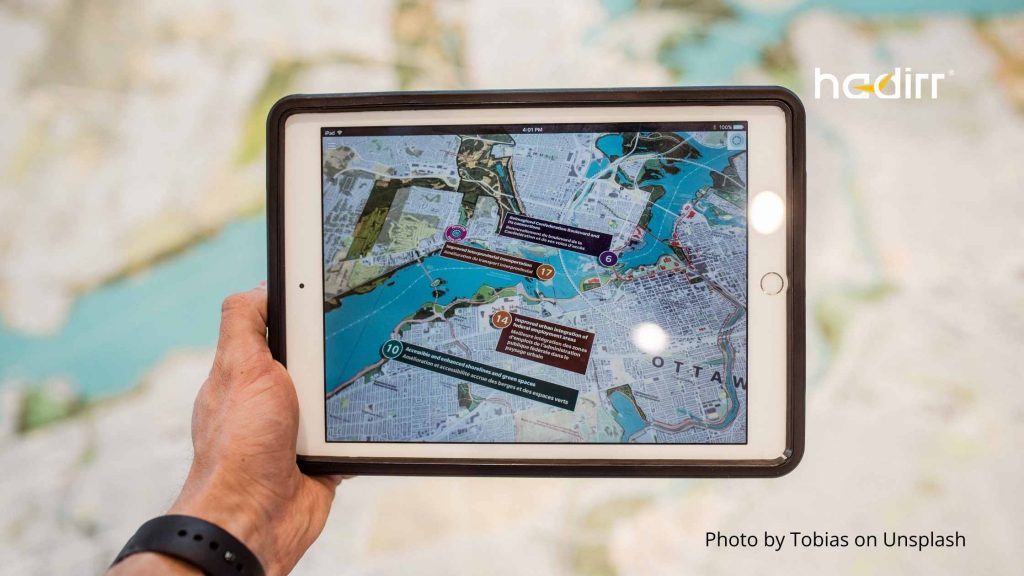
While stronger tracking improves accountability, it also raises legitimate privacy concerns. Any employee GPS tracking Malaysia initiative must operate within the framework of the Personal Data Protection Act 2010 (PDPA), including its 2024 amendments that tighten enforcement from June 2025 onwards.
Under PDPA, location data and device identifiers qualify as personal data when linked to an identifiable employee. This means employers must establish a clear lawful purpose, issue transparent privacy notices, and implement reasonable safeguards.
The amended rules introduce stricter breach notification timelines, new obligations such as data portability, and mandatory Data Protection Officers for high-volume or high-risk processing. In other words, compliance is no longer optional administration—it is operational discipline.
For organisations adopting geofencing for sales teams Malaysia, this creates an important boundary: monitoring must be proportionate and work-related.
Legal and HR practitioners in Malaysia consistently draw a line between reasonable oversight during working hours and intrusive monitoring outside them. Insisting on live tracking during annual leave or after work hours can expose employers to legal and reputational risk.
True PDPA-compliant monitoring therefore requires:
- Clear consent flows
- Explicit explanation of tracking scope
- Monitoring limited to working hours
- Role-based access to sensitive location data
When done properly, geofencing protects both business integrity and employee rights.
Also read: How to Track Field Sales in Malaysia Without Violating PDPA
What Effective Geofencing for Malaysian Sales Teams Looks Like
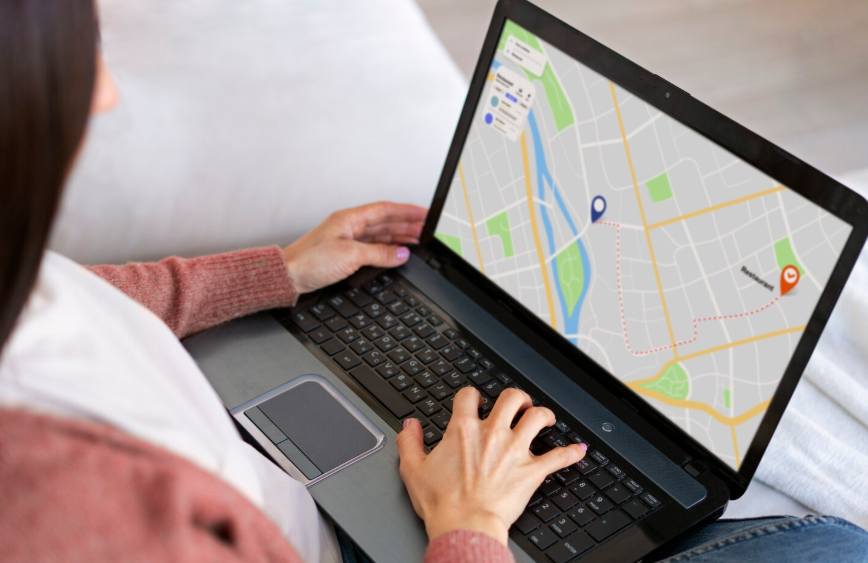
Strong mobile workforce management is not about watching every movement. It is about verifying what matters: promised visits, time spent at key outlets, and route discipline.
In practice, effective geofencing for sales teams Malaysia follows several design principles.
First, precision matters. Geofences must be tight enough to prevent abuse yet flexible enough to handle GPS drift—especially in dense urban zones, shopping malls, or high-rise environments. Many vendors recommend a minimum radius of around 20 metres to balance accuracy with real-world signal variability.
Second, presence must be validated before accepting a check-in or visit log. If the system allows check-ins outside the defined zone, it defeats the purpose. Proper enforcement makes fake check-ins significantly harder.
Third, data must be translated into insight. Good location-based workforce analytics summarise visit duration, frequency, territory gaps, and route coverage patterns. This enables managers to coach with data instead of suspicion.
Finally, communication determines acceptance. Malaysian HR leaders emphasise that transparency—clearly explaining what the company tracks, when it tracks it, and why—strongly shapes employee buy-in. When leaders position geofencing as a tool to protect high performers, resolve incentive disputes, and create fairness, employees view it very differently from a surveillance mechanism.
Also read: A Foreign Business Guide to Indonesia’s Product Certification
Business Impact of Geofencing for Malaysian Sales Teams

The business case for geofencing for sales teams Malaysia becomes clear when you look beyond attendance.
International workforce case studies consistently show that geofenced attendance combined with real-time attendance tracking reduces disputes over hours worked, improves accountability, and aligns planned versus actual field coverage. Some organisations even report improved service levels because managers receive alerts when reps skip their site visits.
For Malaysian sales teams, the implications are practical and immediate.
Verified visit data means more reliable outlet execution. Trade marketing reports become cleaner. Incentive calculations become defensible. Mileage claims can be reconciled against actual routes. Most importantly, sales pipelines become more trustworthy.
When a channel manager sees which outlets teams actually visit, how long they stay, and what follow-up actions they log, territory planning shifts from anecdotal judgment to evidence-based decisions.
In a region where distributed and hybrid work models are accelerating, the ability to trust field sales tracking data is no longer operational hygiene—it is a competitive advantage.
And that is ultimately the promise of geofencing for sales teams Malaysia: not just tighter attendance control, but cleaner data, stronger trust, and smarter sales execution.
Also read: Tapping into Indonesia’s Special Economic Zones Advantage
What to Look For in a Geofencing Solution

Not all tools that claim to offer geofencing for sales teams Malaysia are built the same. Many platforms stop at basic GPS activation—essentially a digital “on/off” switch that records coordinates without deeper validation. For field-driven organisations, that is no longer enough.
A credible solution must deliver true geofence attendance, giving managers full control to configure multiple zones across offices, warehouses, distributor hubs, and client outlets from a central dashboard. Sales environments change constantly. Territories shift, new accounts come in, and campaigns create temporary sites. The geofencing engine must adapt seamlessly—without adding operational friction.
Fraud prevention also needs layered verification. Combining GPS validation with selfie authentication, device integrity checks, or anti-spoofing logic dramatically reduces risks such as buddy punching or remote check-ins. Without those safeguards, even the most polished dashboard can be manipulated.
Visibility matters too. Strong real-time attendance tracking capabilities—live maps, status boards, instant alerts—allow managers to respond quickly when key visits are missed. For organisations handling large mobile teams across Malaysia, real-time oversight transforms reporting from retrospective to proactive.
Integration is the final test. Attendance and visit logs should flow seamlessly into CRM, HR, and payroll systems so incentives, allowances, and performance dashboards remain aligned. From a regulatory standpoint, vendors must also demonstrate PDPA-ready documentation, structured access controls, and incident response processes that reflect Malaysia’s updated compliance requirements.
When evaluating geofencing for sales teams Malaysia, the question is not “Does it show location?” but “Does it protect data integrity while respecting legal boundaries?”
Also read: Top Sales Management Software for Indonesian Businesses
How Hadirr Strengthens Geofencing for Malaysian Sales Teams

For Malaysian organisations seeking tighter control without operational friction, Hadirr delivers a mobile-first platform designed for field and hybrid teams across Southeast Asia.
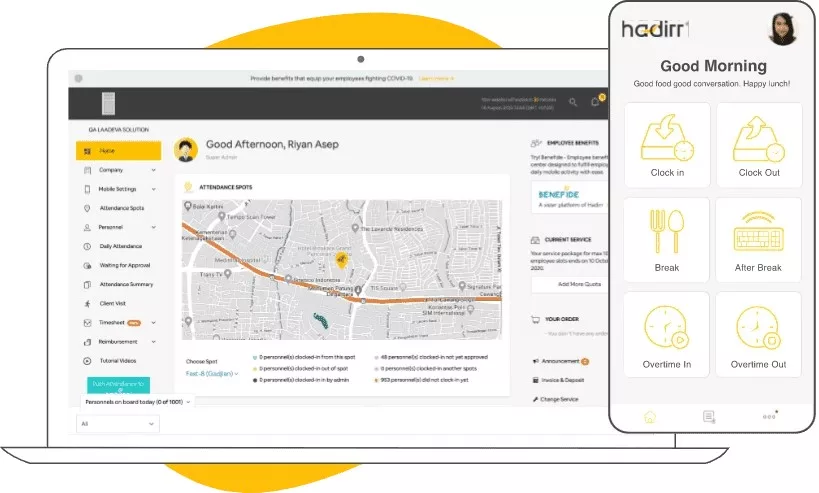
Its attendance tracking app functions as an all-in-one attendance list application, enabling real-time monitoring of employee hours and presence from a single interface. Employers define approved zones, and employees can only clock in within those predefined locations. Every check-in appears instantly on the admin dashboard with detailed location data, ensuring transparency and audit-ready oversight.
Crucially, geofence validation is reinforced with facial recognition (selfie) verification. This dual-layer system ensures the right person is at the right place when recording attendance—directly addressing fraud risks without requiring additional hardware. In the context of employee GPS tracking Malaysia, this balance between control and usability is essential: businesses gain stronger verification while employees retain a streamlined, app-based experience.
Turning Presence into Revenue Intelligence
Hadirr goes beyond attendance. Its client visit tracking capabilities expand geofencing for sales teams Malaysia into structured sales visit monitoring that drives measurable outcomes.
Field representatives can log location-verified visits, capture digital signatures, record meeting duration, and document engagement results within the app. Each visit generates a timestamp, verified location trail, and contextual notes—transforming a simple check-in into actionable sales data.
Managers can quickly identify high-frequency outlets with low uplift, territories with strong coverage but weak conversion, and accounts that require targeted coaching. Automated reporting eliminates manual recap spreadsheets, allowing HR and sales leaders to focus on performance improvement instead of administrative consolidation.
Closing the Loop from Visit to Revenue
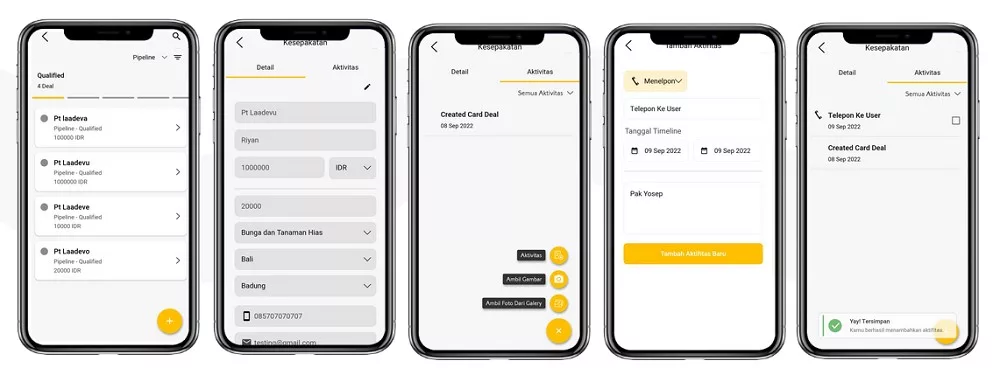
A modern approach to geofencing for sales teams Malaysia must connect field presence directly to pipeline performance. Through integrated software CRM functionality, Hadirr consolidates customer data, lead stages, visit histories, and activity logs into a structured pipeline view.
Every geofenced visit can progress into a documented sales stage, creating full-cycle visibility from physical attendance to revenue outcome. Managers can analyse visit frequency, measure deal conversion, and pinpoint territories that consistently deliver results.
For Malaysian organisations operating across distributed regions, this unified system reduces fake check-ins, protects incentive calculations, strengthens compliance alignment, and sharpens sales execution.
If inaccurate field data is exposing your organisation to risk, relying on basic GPS pins or manual updates is no longer sufficient. Hadirr’s integrated approach to geofencing for sales teams Malaysia equips your team with verified attendance, intelligent visit tracking, and CRM-backed revenue visibility—so you stop questioning field reports and start optimising performance with confidence.
Take Control Before Field Data Costs You Revenue
Every unverified check-in creates blind spots. Every unchecked visit risks missed revenue, distorted incentives, and weak territory execution.
If your organisation depends on distributed sales teams, guesswork is not a strategy.
Upgrade your geofencing for sales teams Malaysia with verified attendance, structured client visit tracking, and integrated software CRM visibility in one unified platform.
Stop questioning field reports, validate performance with verified data, and protect your sales pipeline with full visibility. Start your free trial today.